history of matcha
Matcha’s story begins over a thousand years ago, rooted in the exchange of culture and knowledge between China and Japan. It began in Tang Dynasty China, where it was steamed and pressed into bricks to be ground. However, the influence from the Song Dynasty greatly shaped the ways in which tea is prepared as we know it today. The technique had evolved into dried, steamed leaves, where they were then finely ground into a powder to be mixed with hot water. In the 12th century, Zen Buddhist monk, Eisai brought tea seeds to Japan following his time studying in China, valuing it for its ability to support meditation through sustained focus and clarity.
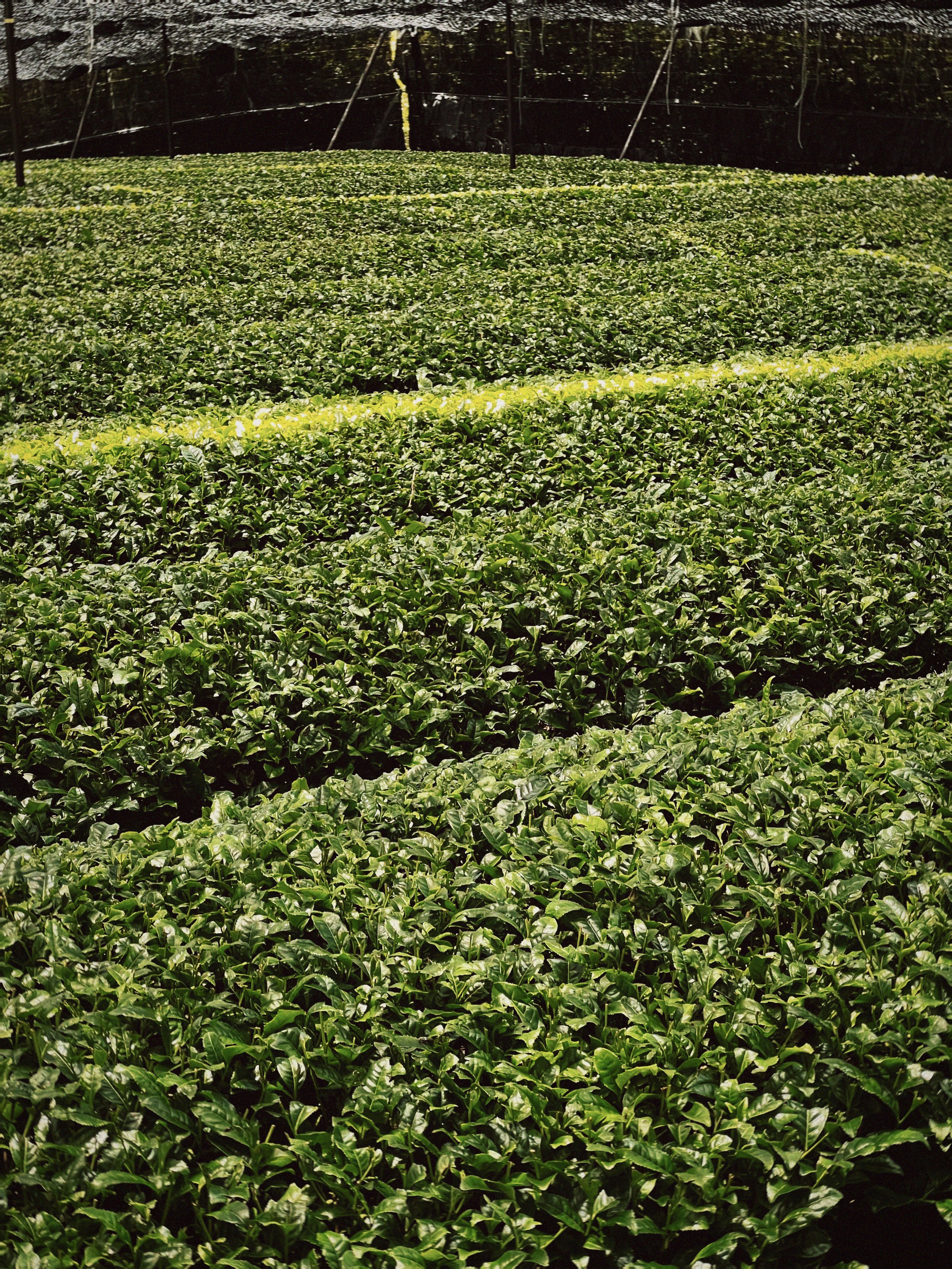
Over time, Japan refined the practice into an art form. Tea cultivation evolved to include shade-growing techniques that deepened flavor in color, while stone-grinding preserved the leaf’s full character. These methods gave rise to matcha as we know it today - vibrant, balanced, and deeply expressive of place.
Matcha became central to the Japanese tea ceremony, where it symbolized harmony, respect, purity, and tranquility. more than a beverage, it was a ritual - an invitation to slow down and be present.
Today, matcha continues to bridge past and present. While enjoyed around the world, its essence remains tied to tradition, craftsmanship, and the land from which it grows, carrying centuries of history in every bowl.