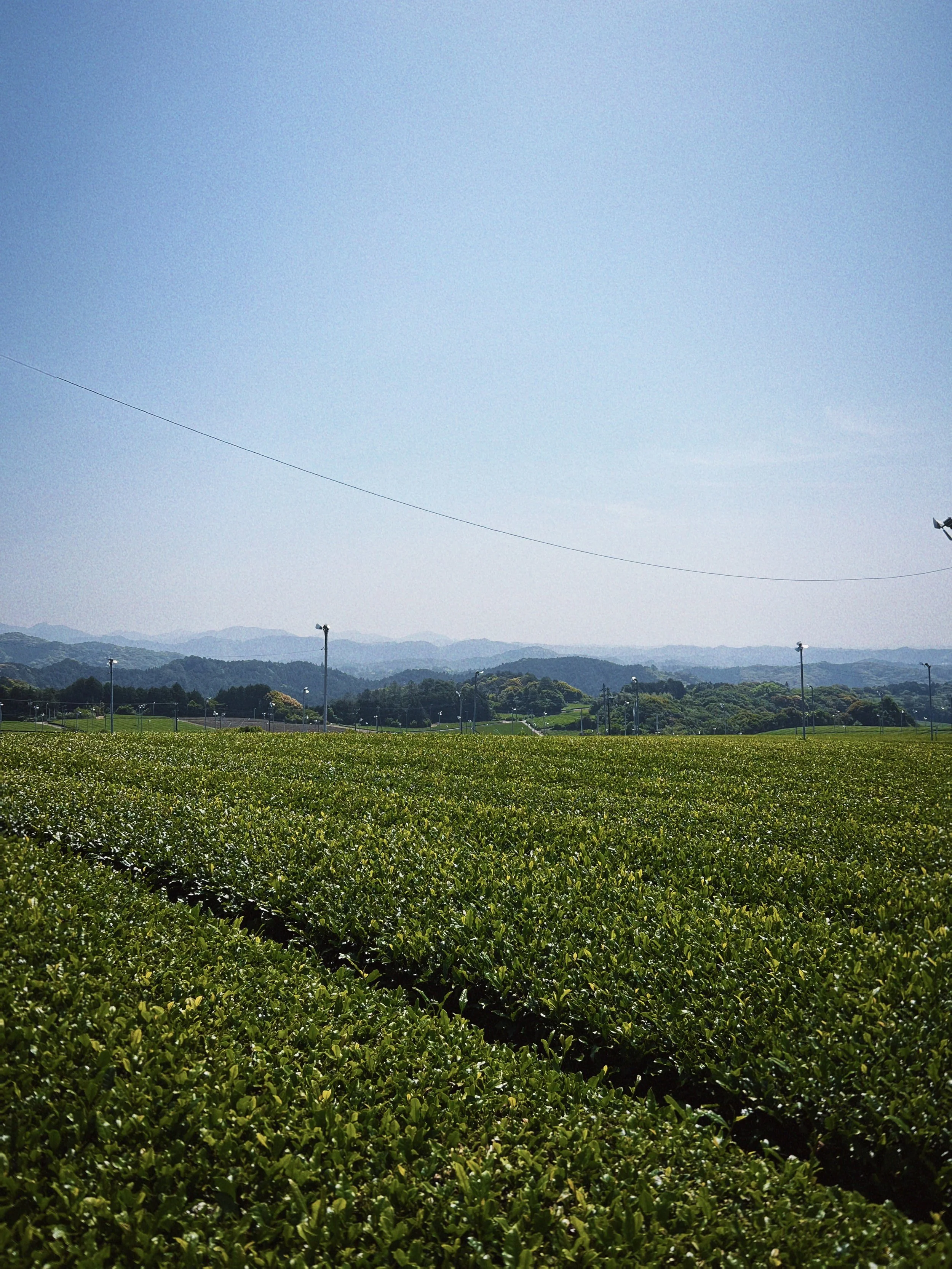
from tea leaf to tin
The journey of Midori Sol matcha is guided by careful cultivation, traditional processing, and thoughtful finishing to ensure clarity, freshness, and depth. Through each stage, we aim to honor with intention the land and the hands that help shape the tea.
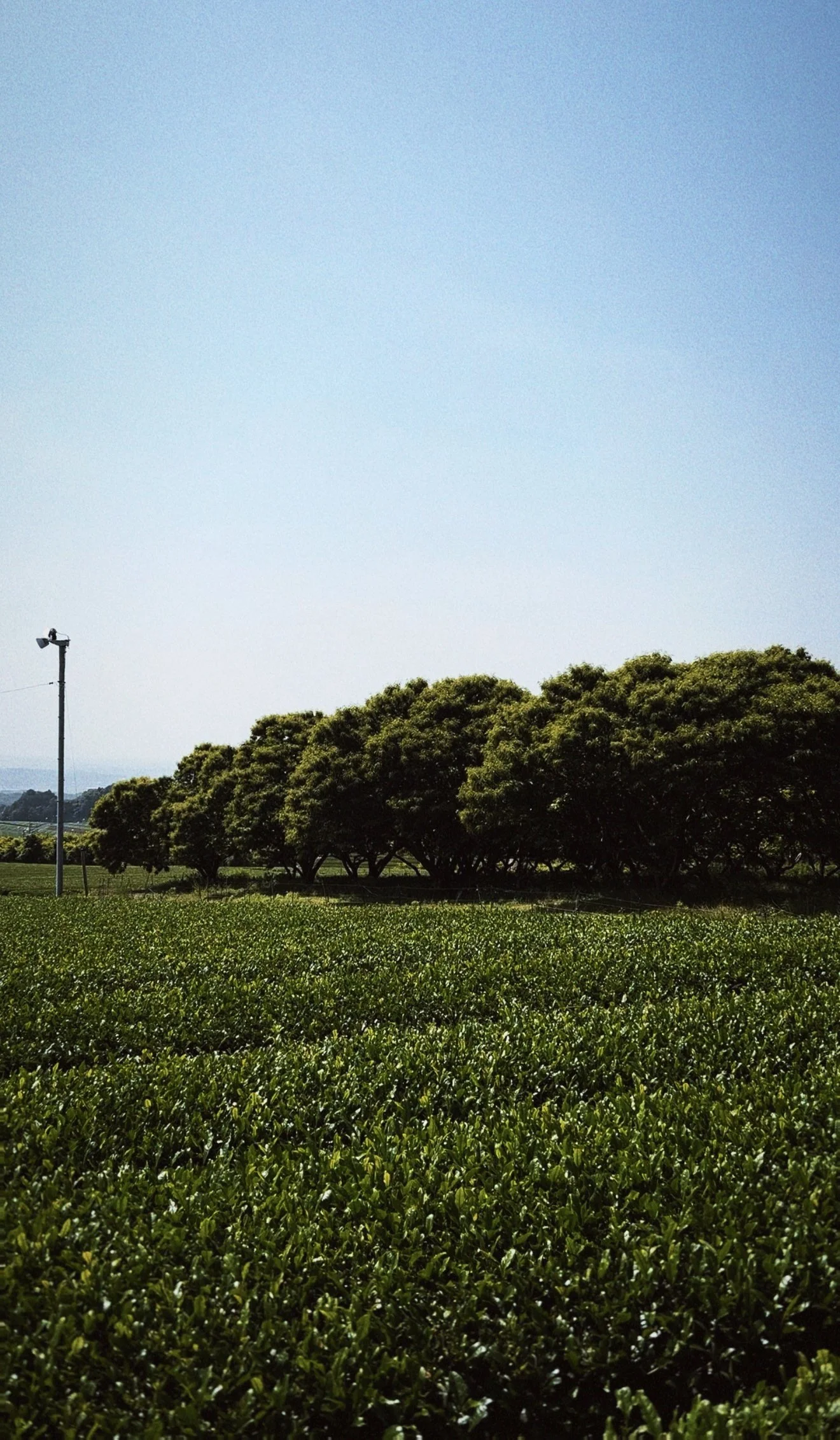
cultivars

Saemidori
-
Shizuoka,Japan
-
Delicate sweetness of fresh spring greens, melon & vanilla orchid

Asanoka
-
Shizuoka,Japan
-
Gentle sweetness of melon,tender greens & lychee blossom

Okumidori
-
Wazuka,Kyoto,Japan
-
Smooth sweetness of vanilla,chestnut & soft florals
Preparation
-
Usucha
Soak chasen in warm water for 1-2 minutes
Sift 2 grams (1 tsp) of matcha into chawan
Add 2 oz (¼ C) 170-180°F (77-80°C) of water into chawan
With the chasen, whisk slowly to blend the powder and water, then whisk briskly in W or Z motion until a foam appears
-
Koicha
Soak chasen in warm water for 1-2 minutes
Sift 4 grams (2 tsp) of matcha into chawan
Add 1 oz (⅛ C) of water, 170-180°F (77-80°C)
Using the chasen, blend together the powder and water, then whisk for 15 seconds creating a thick, paste-like consistency
-
Latte
Soak chasen in warm water for 1-2 minutes
Sift 3 grams (1 ½ tsp) of matcha into chawan
Add 2 oz (¼ C) of water, 170-180°F (77-80°C)
Whisk together
Add 5 oz (⅔ C) milk of choice
matcha benefits
-
Rich in catechins like EGCG, which help protect the body from oxidative stress and prevent cell damage
-
Naturally contains caffeine balanced with L-theanine for focus without jitters or crashes
-
Encourages alertness, concentration, and a calm, centered mind
-
Made from finely ground tea leaves, delivering more nutrients than steeped green tea
-
Naturally high in chlorophyll, which supports the body’s cleansing processes
-
May help support metabolism and energy expenditure
-
Catechins are linked to cardiovascular support, possibly lowering the risk of high blood pressure and heart disease
-
Rooted in centuries of Japanese culture, offering balance for both body and mind
History of Matcha
The history of matcha spans centuries of cultural exchange spiritual practice, and agricultural refinement. From its origins in China’s Song Dynasty to its introduction to Japan by Zen Buddhist monks, matcha has evolved from a meditative aid into a deeply rooted cultural tradition. At its roots, matcha is much more than the beverage we all know it as today.